
Home » Uncategorized (Page 4)
Category Archives: Uncategorized
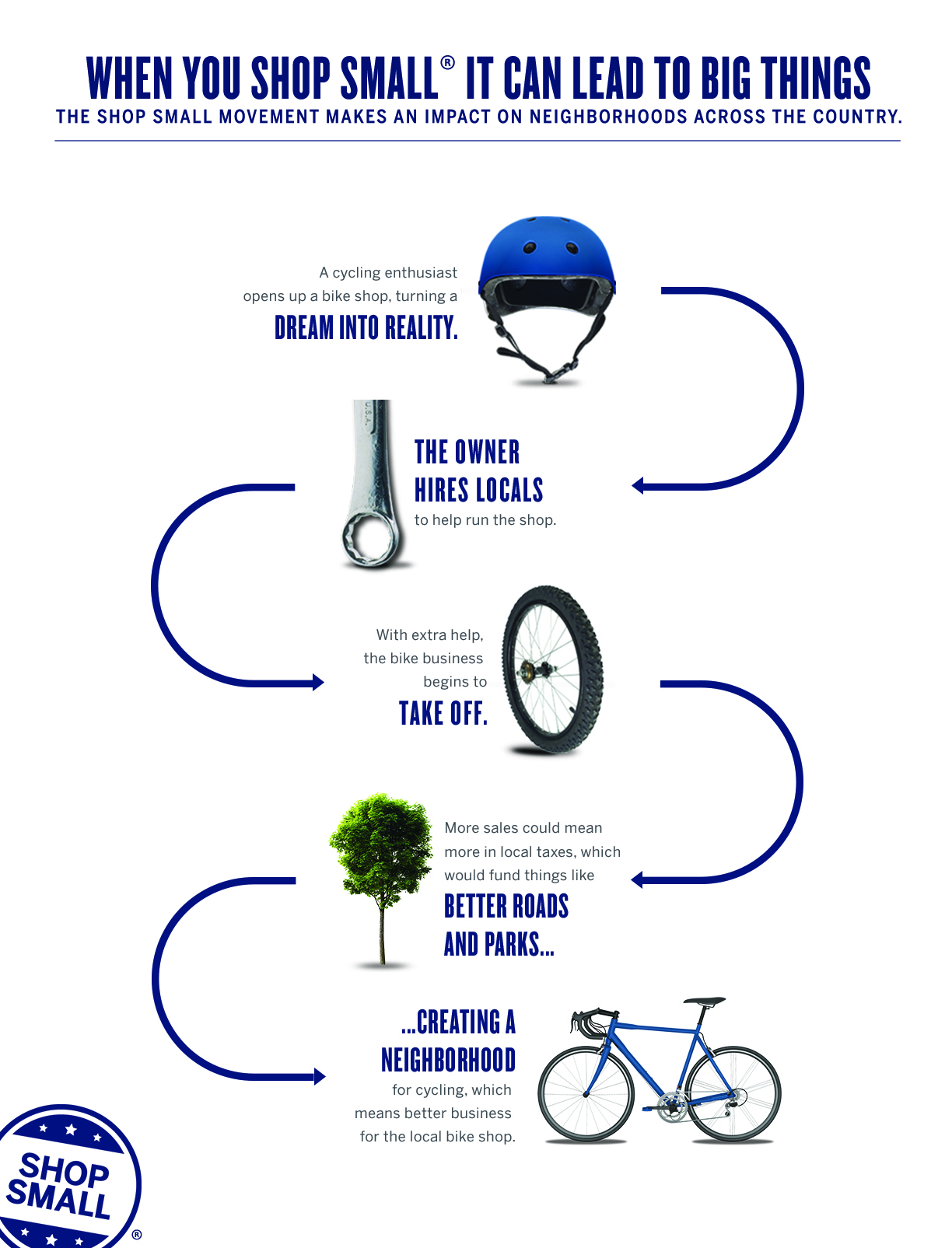
Why you should be part of Small Business Saturday #SmallBizSatUK


Last year…
- 16.5 million People shopped in a small independent business on the day, representing a 20% increase in footfall on 2013 or 2.7 million more shoppers
- 64% of UK consumers were aware of the day, a 33% increase on 2013
- Over 3.5 million Facebook views and #SmallBizSatUK trending at number one all day on 6th December 2014
- 55% of Local Authorities and hundreds of MPs supported the campaign
If you have a small business register at https://www.smallbusinesssaturdayuk.com/
Local Chambers of Commerce are also supporting Small Business Saturday and many including Bournemouth Chamber of Trade and Commerce have Facebook campaigns.

steve@bicknells.net

What exactly is the NEST web services or API tool??
NEST is a government backed pension scheme which has an obligation to accept all employees into the scheme. NEST is completely government backed, designed specifically to deal with auto enrolment and is free for all employers, no matter how big or small. To date, over 20,000 employers have chosen NEST as an AE pension scheme for their employees.
NEST web services / API tool
NEST are working with a number of key payroll providers to launch a web service or API tool to customers this winter. The tool will take away some of the stress and time consuming steps involved in submitting data to NEST. The web services will mean that customers can send data files through the payroll directly into NEST. With a simple click of a button, customers will find the process a lot faster. A similar concept would be the RTI function where a user can submit their data directly to HMRC within the payroll.
Currently, employers or bureaus have to export data from their payroll, log into the NEST web portal service and submit the data. Under auto enrolment, this needs to be completed every pay period as part of the mandatory employer duties. The benefit of the new NEST web services will be to speed up the data flow between payroll software and the pension provider, saving employers and payroll bureaus time.
BrightPay is delighted to announce that we are working directly with the NEST development team to offer this web services tool to our customers. The direct integration between BrightPay and NEST will be important for the thousands of employers that have and will have chosen NEST as their workplace pension scheme.
According to NEST:
“The ability to submit key data in one click will also result in faster processing times. This innovation will simplify the exchange of information between employers and NEST by enabling payroll software to ‘talk’ to NEST.”
It will undoubtedly make automatic enrolment data submissions to NEST much easier and faster. The news of the NEST web services will be greatly received across the payroll industry. It has been further speculated that other pension providers may follow suit and develop their own API tool.
Related articles – The Benefits of NEST’s API / Integration Tool for Accountants & Bureaus.
FILING CIC (COMMUNITY INTEREST COMPANY) ANNUAL ACCOUNTS
If you have not yet filed Annual Accounts for a CIC (Community Interest Company), then please be aware that the process and procedures for filing the Annual Accounts at Companies House is different from normal electronic filings.

Firstly you cannot file electronic Annual Accounts.
Guidance is published here at the Companies House web site (or click the Companies House logo below).

In order to file the Annual Accounts you will need to prepare a form CIC 34 which can be downloaded from the link.
The completed and signed (by a director or company secretary) CIC 34 form, together with a printed copy of the Annual Accounts and a £15 filing fee must be sent to Companies House well in advance of the filing deadline. This is to avoid any late filing penalties, should Companies House reject the initial filing and you need to make any amendments that might be necessary in order to re-file the Annual Accounts.
Companies House officials were not yet able (during April 2015) to provide us with information as to when the electronic filing of CIC Annual Accounts will be possible.

Hence, just like filing Limited Liability Partnership Annual Accounts, the traditional hard copy and postage paid (preferably recorded delivery) or handing in the documents at a Companies House official Contact Centre office location, is still the only way to get the Annual Accounts filing compliance check done, for the time being.
©3resource – 2015
Rohan Badenhorst
business.partner@3resource.com
How do Help to Buy ISA’s work?

Top 10 facts and rules…
- Its only available to ‘First Time Buyers’
- ‘First Time Buyers’ can only have one Help to Buy ISA with one provider
- You can pay in £1,000 when you open the account and then save a maximum of £200 per month
- The maximum government bonus is £3,000 (but you can lower amounts of bonus if you have less than £12,000)
- The scheme will run for 4 years from the date it opens (Autumn 2015)
- Couples can have a Help to Buy ISA each which means if they don’t want to wait 4 years could save £12,000 in 25 months where as a single saver would need 55 months
- Unlike ISA’s where you open one per year, the Help to Buy ISA will continue for 4 years
- You can withdraw funds but if its not to buy a home then you won’t get the bonus
- More than 100,000 homes have now been bought with government backed schemes
- You will be able to get them at banks and building societies
Money Saving Expert has some useful Q&A including this one….
A first-time buyer is someone who does not and has never owned an interest in a residential property, either inside or outside the UK.
Many people have said “I owned a property previously but now rent”, “I have a shared ownership property” or “I have inherited a property” can I still open a Help to Buy ISA? And the answer is NO – you have to be a first-time buyer to open one.
steve@bicknells.net
It’s a small world

Small businesses are the mainstay of the UK economy. Forget the large companies – small businesses are where it is at!
The UK is a nation of entrepreneurs and we brits are great at taking the plunge into business ownership – whether it is a self employed professionals or as small business owners employing staff.
However, for many entrepreneurs taking the plunge is not the hardest part – it is running a successful company in the longer term that provides the stress.
The problem here is that the prospective entrepreneur has often not done their homework.
In particular:
- They have an idea they are sure is going to work, but have not done a full business plan to explore whether it can be converted into a successful business.
- They have not consulted appropriate professionals to ensure their company is set up in the best way.
- They don’t align their personal and business goals. They soon find their business running their lives rather than them running their businesses.
- They don’t finance their business sufficiently from the outset, which means they can never afford to do jobs properly. Marketing in particular often suffers in this scenario.
- Because they haven’t planned properly they don’t fully appreciate the risks involved in setting up their business until it is too late.
Starting your own business is a BIG step. If it fails you may not just lose your livelihood but also your house (and your family if you have had to work very long hours).
It makes sense to give your business the best possible chance of succeeding.
To help I have written a guide on starting your own business which can be downloaded for free from my website www.fionabevanfinancialmanagement.co.uk
I have tried to cover all the issues you will need to think about before taking the plunge as well as some of the things which might trip you up.
Enjoy!
Fiona 🙂
Free Auto Enrolment Checklist to Maximise Profits
For years, accountants and bureaus have been offering payroll services, taking a massive burden off the hands of their clients. However, the payroll profession has changed dramatically over recent years with the introduction of Auto Enrolment. A significant 1.2 million small and micro businesses are set to start staging between June 2015 and the beginning of 2018. The Pensions Regulator defines small businesses as employers with 5 to 40 workers and micro businesses as having one to four workers.

The thought of choosing the right payroll provider has exasperated with the new AE employer duties that need to be completed. Some software providers are avoiding auto enrolment completely, while others are offering AE features with limited functionality or at a high extra cost. If you have payroll clients they may have an expectation that you will handle the AE setup and ongoing duties for them. For bureaus, it will be…
View original post 341 more words
New ‘Starter Homes’ scheme gives 20% discount!

The 20% discount is achieved by waiving local authority fees for homebuilders of at least £45,000 per dwelling on brownfield sites.
At the heart of the Starter Homes initiative is a change to the planning system. This will allow house builders to develop under-used or unviable brownfield land and free them from planning costs and levies. In return, they will be able to offer homes at a minimum 20% discount exclusively to first time buyers, under the age of forty. Under the proposals, developers offering Starter Homes would be exempt from those Section 106 charges and Community Infrastructure Levy charges. The homes could then not be re-sold at market value for a fixed period – making sure that the savings are passed onto homebuyers.Gov.uk
To qualify first time buyers must be under the age of 40 and living in England
steve@bicknells.net
Don’t be an April Fool!

Over the years I have met business owners who offer a great product or service but are really struggling with their cash control.
One of the reasons is exemplified by a conversation I had the other day with just such a business owner. They have no problems finding the right customer and do a fantastic job for these customers.
However, the business owner has a real stumbling block when it comes to invoicing and debt collection. Firstly, they hate the process of invoicing itself – it is a chore they put off as long as possible. Secondly, once the invoices have gone out they are very reluctant to chase for the money owing to them.
In my opinion they are being an April (and every other month of the year) fool.
They are working hard but because they are not following through, and collecting the money owing to them in a timely fashion, they are struggling to pay their bills.
What makes the situation worse is that they have employees they MUST pay every month irrespective of whether the business is paid or not.
There is a clear lesson to learn here – if you are unable, or unwilling, to deal with the discipline of invoicing and debt collection you must find another way of getting these jobs done. If you don’t, you may lose your business.
So what are the alternative approaches you can take?
Firstly, many bookkeepers are more than willing, and able, to take on the invoicing and debt collection roles for you. The benefits of delegation will way out-weigh the costs.
Secondly, you may already have a member of staff on your team who can take on these jobs.
Thirdly, if you really have to do these jobs yourself, you must change the way in which you approach them. Have a very clear procedure detailing exactly how often invoicing should be done (at least once a week would be my recommendation), block out time in your diary every week devoted to invoicing and debt collection, and understand that any work you do for clients is worthless unless you are paid for it!
For extra help with invoicing and debt collection please download the ‘Getting Paid’ guide on my website http://www.fionabevanfinancialmanagement.co.uk/guides.php
Good luck
Fiona 🙂
A Positive Plan?

I regularly write about how many people start the new year with a set of new goals, or resolutions. By the end of March many of these goals are a dim and distant memory.
The reason for this is that January is often not a very positive time of year. With its dark days and long nights, contrasting with the gaiety surrounding Christmas, January can also be the darkest month of the year physiologically. Not the time to create new plans and start to change your outlook.
Three months on it’s a completely different story.
The clocks have just changed so we have longer evenings. The sun is shining, the buds are appearing and the world seems fresh and new.
What a fab time to be thinking about the future.
In my opinion creative juices flow better when we have the opportunity to get out of our offices and enjoy the sunshine. We are more positive and open to opportunity. We are less likely to dismiss ideas out of hand or procrastinate.
Others must be thinking this too as over the last month or so four owners have come to me for assistance in putting together plans for their businesses. One is for a completely new business, but the other three are established businesses looking for a change in direction.
So if you need to change your business plan or set goals for yourself and your business, NOW IS THE TIME TO DO IT!
Fiona 🙂
Taking the Plunge!

Small businesses are the mainstay of the UK economy. Forget the large companies – small businesses are where it is at!
The UK is a nation of entrepreneurs and we brits are great at taking the plunge into business ownership – whether it is a self employed professionals or as small business owners employing staff.
However, for many entrepreneurs taking the plunge is not the hardest part – it is running a successful company in the longer term that provides the stress.
The problem here is that the prospective entrepreneur has often not done their homework.
In particular:
- They have an idea they are sure is going to work, but have not done a full business plan to explore whether it can be converted into a successful business.
- They have not consulted appropriate professionals to ensure their company is set up in the best way.
- They don’t align their personal and business goals. They soon find their business running their lives rather than them running their businesses.
- They don’t finance their business sufficiently from the outset, which means they can never afford to do jobs properly. Marketing in particular often suffers in this scenario.
- Because they haven’t planned properly they don’t fully appreciate the risks involved in setting up their business until it is too late.
Starting your own business is a BIG step. If it fails you may not just lose your livelihood but also your house (and your family if you have had to work very long hours).
It makes sense to give your business the best possible chance of succeeding.
To help I have written a guide on starting your own business which can be downloaded for free from my website www.fionabevanfinancialmanagement.co.uk
I have tried to cover all the issues you will need to think about before taking the plunge as well as some of the things which might trip you up.
Enjoy!
Fiona 🙂
 Business Accountant