
Home » Cash Flow (Page 3)
Category Archives: Cash Flow
4 business models where customers fund your business

Finding ways to fund your business can be a challenge so hear are some business models where your customers provide the funding.
Subscribers
This can apply to many situations ranging from Networking and Memberships to Sky TV or Microsoft Office 365, get your clients hooked on paying a monthly or periodic payments and it should work wonders for your cash flow.
High Demand
Any product in short supply creates a situation where clients are prepared to pay now in order not to miss out, here is an example:
Microsoft unveils its new Xbox One console Friday, one week after the release of the rival PlayStation 4.
Microsoft says the supply of the new $499 consoles is its biggest ever. But with record pre-orders — more than double those of the Xbox 360 back in November 2005 — the consoles may be hard to find.
November 2013
Pay In Advance
Often used in the home improvement market for example conservatories, kitchens, bathrooms, getting customers to pay a deposit or in some cases all the money upfront (or on finance) puts you in the best possible position especially if you can set up accounts to pay your suppliers on 30 or 60 days.
Market Place
Getting paid to bring people together is a great business model think of ebay, dating sites, or any on line market place where the owner gets paid when a deal is done.
How do you fund your business?
steve@bicknells.net
How changing your year end can help cash flow

Basically if your company makes a loss you carry it forward.
The amount of trading loss available to be carried forward is the loss sustained less any loss relieved in the current year or surrendered as group relief.
Carry forward a corporation tax loss is automatic, therefore as no claim is required there is no time limit.
The legislative reference for a trading loss carried forward is: CTA 2010 s45) [old reference ICTA 1988 s393(1)].
You can also make a claim to carry a loss back 12 months.
The legislative reference for carry back loss relief is: CTA 2010 s37(s)(b)(6)(8) and s38 [old reference ICTA 1988 s393A(1)(b)(2)-(2C)].
But there is another option, to help improve your cash flow, lets say you have been making profits and you have just come to the end of your accounting period, the next few months are going to be tough and you will make a loss. If you change your year end by extending it or having a shorter period you could help your cash flow.
Corporation Tax is payable 9 months and 1 day after your year end, so you will have a return for 12 months and have tax to pay but if you had a 6 month return to follow it you could reduce the time before you claim relief for the loss.
If you extended your accounting period to 18 months the figures might even look better for credit rating.
You can shorten as much as you want but not beyond the start date of the accounting period being changed.
You can only extend once every 5 years.
See the Companies House Checklist for details
steve@bicknells.net
Will HMRC help you get over the Floods?

Will it ever stop raining!
But help is at hand, HMRC launched their helpline (12/2/14)
The helpline will enable anyone affected to get fast, practical help and advice on a wide range of tax problems they may be facing.
HM Revenue and Customs (HMRC) will also:
- agree instalment arrangements where taxpayers are unable to pay as a result of the floods;
- agree a practical approach when individuals and businesses have lost vital records to the floods;
- suspend debt collection proceedings for those affected by the floods;
- cancel penalties when the taxpayer has missed statutory deadlines.
The helpline is in addition to other HMRC telephone contact numbers.
The helpline is 0800 904 7900. Opening hours are Monday to Friday, 8.00 am to 8.00 pm; Saturday and Sunday, 8.00 am to 4.00 pm, excluding bank holidays.
I hope the weather improves soon and your business can keep going and survive the storms.
steve@bicknells.net
Should you start your own business?
Economy in recovery
It now looks like the UK economy is in recovery. Even if this isn’t the case, when people think that times will get better they start to spend money again. With interest rates at historic low rates there is little incentive to stockpile cash in the bank for consumers and for entrepreneurs debt is relatively cheap to finance a new venture.

No Change for Currency (Photo credit: Wikipedia)
What’s your plan?
If you are starting a new business, it is important to work out what you will be selling, but to survive the early days of a start-up you will need good projections of your cash flow. As you grow you may need investment from banks or other third parties. Without good quality management accounts is it more difficult to persuade a potential investor to part with their cash.
Ask for help!
You can’t do everything on your own. Work out what your core activities are and how much time you need to do them. If you have time left over for ancillary activities then you are better completing these yourself too. The cost of hiring specialist help, whether it be an accountant, web designer or lawyer can seem to be too much for a nascent company to bear. However if you are spending so much time working out your accounts that you don’t have time for your customers you will cost yourself more in the long-term.
Business booming in Scotland
According to this article from the BBC more Scots are starting up their own business. Records from Companies House show that more than 340,000 companies were formed in Scotland last year. Glasgow and Edinburgh are at the forefront of the economic recovery in Scotland. If you have a good business idea, now could be the time to let that idea take form, especially if you have a service that supports other new businesses.
Give yourself a break
To give your business the best start, make sure you understand your finances. Don’t forget that if you registered a company you are obliged to file accounts with Companies House as well as HMRC. For more information on company formation see my blog here.
For support and advice on the finances of your business contact Alterledger or visit the website alterledger.com.
Cash is King!

Cash is king! and managing it properly is one of the best ways of ensuring your business flourishes. However, many small business owners find it a real challenge to chase customers who are late paying – even though not doing so leaves them in a really tight situation with the bank.
A phrase we hear often is, “They’re a really good customer, so I don’t want to annoy them by chasing for payment”. Let’s just analyse that sentence for a minute. Why are these customers good for your business? Because they allow you to do lots of work for free? Surely, a good customer is one who appreciates your efforts and is happy to pay because they value you. If you have done the work you agreed with your customer, to the level they expected, why should they not pay the agreed price in the agreed time period?
So don’t be shy about collecting YOUR money.
Other problems we see regularly are:
– Not setting payment terms up front
If you have not agreed when the customer should pay BEFORE the work is done, you will struggle to collect the money in a reasonable time frame. Make sure your terms of engagement/purchase confirmation clearly state when you expect to be paid.
– Setting unnecessarily long payment terms
Don’t assume that you have to offer customers 30 or 60 day payment terms. Start from a position of offering zero payment terms and only offer extended terms if there is a commercial advantage in doing so. Bear in mind that even if you offer 30 day terms you will most probably be paid later than that. As you don’t know the financial position of all your customers the only safe money is the money in your bank account.
– Not sending invoices out promptly
If you do not send out your invoices as soon as the work is complete, you automatically build a lag before you receive payment. Invoicing is a chore, but regular invoicing is vital to achieving financial stability.
The most common reason small businesses fail is because they run out of cash.
The most common reason they run out of cash is because they do not collect the money they are owed quickly enough, or allow debts to go bad.
Make sure you business succeeds by being cash collection savvy.
Fiona 🙂
10 ways to get paid faster

Late payment kills businesses, it’s a fact.
Latest research shows that British SMEs are having to wait an average of 41 days longer than their original agreed payment terms before invoices are paid. (source: BACS)
So what can you do to get paid faster?
- Get payment upfront – It might sound obvious but do you ask for payment with order? or deposits? or to be paid on delivery?
- Get Stage Payments – on projects agree stages and collect payment before you do the next stage
- Raise the Invoice quickly – as soon as you can bill the client send out the invoice
- Agree Terms of Business and Payment Terms before you start any work
- Make sure you know who to bill and who to chase for payment
- Make your invoice stand out, use bright colours and send a copy by Post and E Mail
- Offer multiple payment methods – Credit Card, BACS, Cheques, PayPal – make it easy for your client to pay you
- Offer a discount for prompt payment
- Charge interest for late payment
- Deal with any disputes quickly
steve@bicknells.net
10 financial mistakes all new business should avoid

Starting a new business is always a challenge but there are some common financial mistakes that all start ups should avoid.
- Lack of Planning – Businesses normally start with a great idea but you need to have business model that works and to at least have a basic business plan and cash flow.
- Over Trading – this happens when a business expands too quickly for its working capital, when you start a new business its tempting to accept every order without considering whether you can have the resources and the cash to deliver.
- Wasted Marketing and Advertising – new businesses are an easy target for marketing companies but its important to stick to the essentials to start with, having a website, e mail and business cards are essential, magazine advertising and other things can be done as the business grows, in the early stages you are experimenting and finding your market so if you spend too much too soon you might promote the wrong things at the wrong price.
- Wrong Business Structure – Before you start your business get some advice from your accountant, its important to choose the right structure not just for tax reasons but also for investment and ownership.
- Wrong Staff – Choosing the right team is critical for business success, choose staff that have the right skills, the right attitude and are dedicated to the success of the business.
- Over Ambitious – All too often businesses plans are over ambitious with sales growing rapidly, often they prove to be unrealistic, when preparing a sales forecast start with your order book and be cautious in your assumptions.
- Overheads – Many businesses over spend on overheads for example renting premises too early, work from home, if you can, to minimise costs.
- Stock Problems – Buying the wrong stock, under or over stocking are also issues for start ups, try to adopt a ‘just in time’ stock policy.
- Getting Paid – A sale is only a sale if you get paid, any one can give things away, make sure you manage your clients and get paid on time.
- Competition – Keep an eye on your competitors, they will be watching you and responding to maintain their market share.
steve@bicknells.net
Are you eligible for Connection Vouchers for Broadband? £100m up for grabs

This was first announced in December 2013 and £100m of funding has been allocated.
Broadband Connection Vouchers will be available in 22 SuperConnected Cities across the UK. Click here to see where they are. If your city isn’t offering vouchers yet, use our Register your Interest form to let us know that you are.
- Connection Vouchers help your business connect to a better broadband service.
- You can apply if you are a small business and you are located in an eligible area. See more in our Can I apply? section and try the postcode checker.
- The Connection Voucher will pay towards the fixed cost of getting you connected -between £250 and £3,000 – you pay the ongoing line rental charge.
- Not sure if you need to upgrade your broadband? See why other businesses have made the decision to upgrade.
- You can choose from a list of registered suppliers. Take a look a the link on the right to the suppliers in your city.
- You can find out how to apply from your local city pages – use the links on the right of the page.
- Want to be a supplier? Read more and find out how to register.
steve@bicknells.net
10 creative ways to cut your overheads
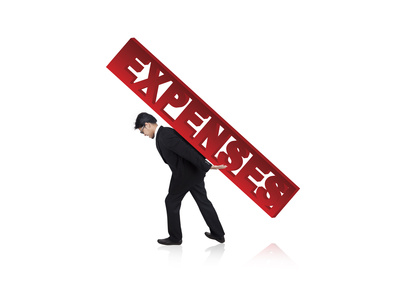
Making a profit and generating cash is vital to all businesses and a key way to improve profit is to reduce overheads, here are a few ideas:
- Re-think your office/premises requirements – Premises are big cost for most businesses, could you operate in a smaller space and sub-let part of your offices? could you work from home?
- Telecommute – Technology effectively reduces distance, so there is no need to require administrative people or specialists to be physically located together. Use VOIP, Skype and Video Conferencing.
- Cars – Company Cars can be expensive, time consuming to manage and emotive, why not consider car allowances
- Staff – Generally the biggest overhead is people, consider outsourcing rather than having the fixed overhead of in house staff
- Shop around – Are you getting the best deals on Stationery, Printing, Insurance, Light & Heat…..
- Students – Students, apprentices and interns are eager to learn and will be less expensive then experienced employees
- Refinance Debt – Could you reduce the cost of borrowing? could you borrow from your Self Invested Pension Plan?
- Paper – Sorting, filing, and finding files requires time and space. Purchase a scanner and scan all important papers and keep them in well organised electronic files to save space and administrative costs.
- Go Green – Reducing waste and saving energy will save money too
- Buy Second Hand – Second hand office furniture is plentiful and its cheaper than buying new
steve@bicknells.net
20 businesses you can run from home

It’s nearly Christmas and that puts a strain on most peoples cash, so you might well be looking for ways to earn extra cash, here are my top 20 home based business ideas:
- Get a lodger – Under rent-a-room a taxpayer can be exempt from Income Tax on profits from furnished accommodation in their only or main home if the gross receipts they get (that is, before expenses) are £4,250 or less
- Ironing and Laundry Services – Always popular and you can start with friends and family
- E Bay Trading – as E Bay say… The first task is to sort through those bulging drawers and messy cupboards, finding stuff to flog. Get a big eBay box to stash your wares in, and systematically clear out wardrobes, DVD and CD piles, the loft and garage. Use the easy 12-month rule of thumb to help you decide what to offload: Haven’t used it for a year? Flog it.
- Blogging – Blogging has taken off and many businesses are looking for people to write blogs for them
- Candle Making – You can sell the candles on line and its easy to buy the wax and things you need to make the candles
- Car Boot Sale – As with E Bay but without going on line
- Cake Making – Make sure everything is labelled correctly and you comply with Health & Safety issues
- Data Entry – The internet makes it easy to enter data from where ever you are
- Social Media – Similar to blogging, businesses need help to manage Twitter, Facebook and Linked In
- Website Design – If you have the expertise, go for it
- Sales Parties – Cosmetics to Ann Summers, there is a long list of opportunities
- Sewing and Clothes Alterations – Perfect before and after Christmas
- Jewellery – Making and selling jewellery is always popular and great for Christmas presents
- Car Repairs – Assuming you have the skills needed and comply with legal requirements
- Pet Care – Walking dogs or grooming is popular
- Virtual Assistant – Also personal organiser or personal shopper
- Wedding Planner – You could start by creating a blog about your expertise
- Direct Sales – For example Utility Warehouse
- Computer Repair – Great provided you have the skills
- Marketing – Telesales to leaflet design and freelance writing
steve@bicknells.net
 Business Accountant