
Home » CIMA (Page 3)
Category Archives: CIMA
HOW LONG TO KEEP YOUR RECORDS?
As a general rule, you should keep your records for a minimum of six years. However,
if you are:
• an employer, you need to keep Pay As You Earn (PAYE) records for 3 years
(in addition to your current year)
• a contractor in the Construction Industry Scheme (CIS), you need to keep your CIS
records for 3 years (in addition to your current year)
• keeping records to complete a personal (non business) tax return, you only need to
keep them for 22 months from the end of the tax year to which they relate.
If you need to keep records for other reasons, for example the Companies’ Act
requires limited companies to keep specific records and you also use those records
for tax purposes, you need to be aware that there may be different time limits for
retaining them. Be careful not to destroy any records you also use for tax purposes
too soon.
Niall O’Driscoll FMCA CGMA
CIMA la difference?
For most clients the institute a qualified accountant is a member of isn’t a key factor, especially if they are only looking to have their accounts prepared and tax return done. Some simply look for a “Chartered” accountant, which most qualified accountants in practice are if they belong to one of the main professional bodies.
However there are some key differences between the skills and experience of a traditional “high street” accountant and a CIMA Member in Practice. Here are a few:
- A CIMA accountant will tend to look at the business from the inside, rather than just the numbers that make up statutory accounts.
- Their professional training placed a lot of emphasis on providing businesses with meaningful data to support the day to day running of the business, so called management accounts.
- They are likely to have been exposed to a variety of different software systems, and may think more in terms of business processes.
- They are less likely to have worked on statutory audits (which are usually only needed for companies that meet 2 out of the following requirements: turnover of over £6.5 million; assets of more than £3.26 million; has more than 50 employees) so for SME’s that tends not to be an issue.
- They will generally be less obsessed with timesheets and billable hours!
That’s not to say that hiring an accountant who has just emerged from a 30 year career in the Management Accounting department at a local shoe factory is going to be the best thing for a small business, but CIMA have thought about that. Before a CIMA member can get the Practising Certificate they need in order to provide services to the public they need to meet the institute’s skills and experience requirements.
Back to the beginning, many individuals and companies hire an accountant without checking if they are qualified at all. Unlike the financial services industry, accountancy is lightly regulated and anyone can set up shop. Indeed, there are many “qualified by experience” accountants out there giving a good service to their clients. However should things go wrong ……. we’ll look at “when accountants go bad” in a future blog.
Compare the market!
As a nation we seem obsessed with comparison websites and we readily switch insurers to save £50-100 on our car or home insurance. So why don’t businesses market test their accountant more often? Is it because they are happy enough with the basic service and see little differentiation between local firms, or do they think its a lot of hassle to change even if they are open to the idea? I often meet business owners who aren’t entirely happy with their accountant but can’t bring themselves to do much about it, so when I get the chance I explain how easy it is to change, at the right time.
Service and other benefits aside, businesses can often save significant amounts by shopping around. This particularly applies the more services you require. Take a look at your accountancy and bookkeeping costs over the last year. How many items were billed separately, or in addition to the core fee you had agreed? Was your personal tax on top of the fee for the accounts?
In a future blog I’ll look at how to go about changing accountants and the differences a CIMA accountant can bring.
Meanwhile if you can see some benefit in changing your accountant, go (and) compare!
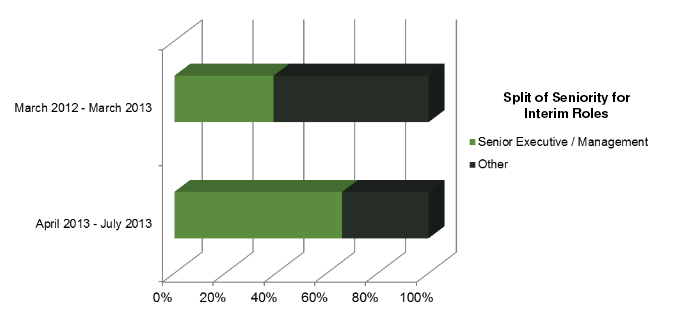
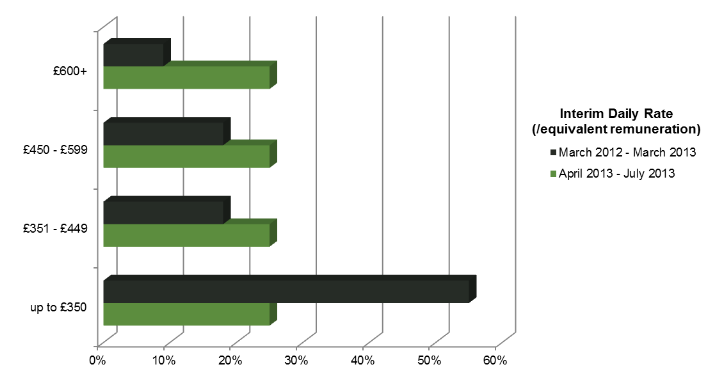
Why has demand for senior interim accountants doubled in April to July 2013?

Many companies that put projects on hold during the recession are now reinvigorating them as the market continues to show signs of recovery. This has created demand for experienced senior interims who can lead projects efficiently, ensuring that they run within budget and timescales. CIMA
The Interim market is estimated to be worth £1.5bn.
Key demand continues to be for experienced professionals who can ensure companies’ systems and processes are running as efficiently as possible. They will be challenged with the task of making any necessary improvements to achieve the project objectives. Their focus continues to be on commercial skills and profitability. Organisations want professionals who are able to make a calculated decision about things that will have an impact on how the business will run in the future.
Partner Financial Trend Survey July 2013 reported
steve@bicknells.net
 Business Accountant